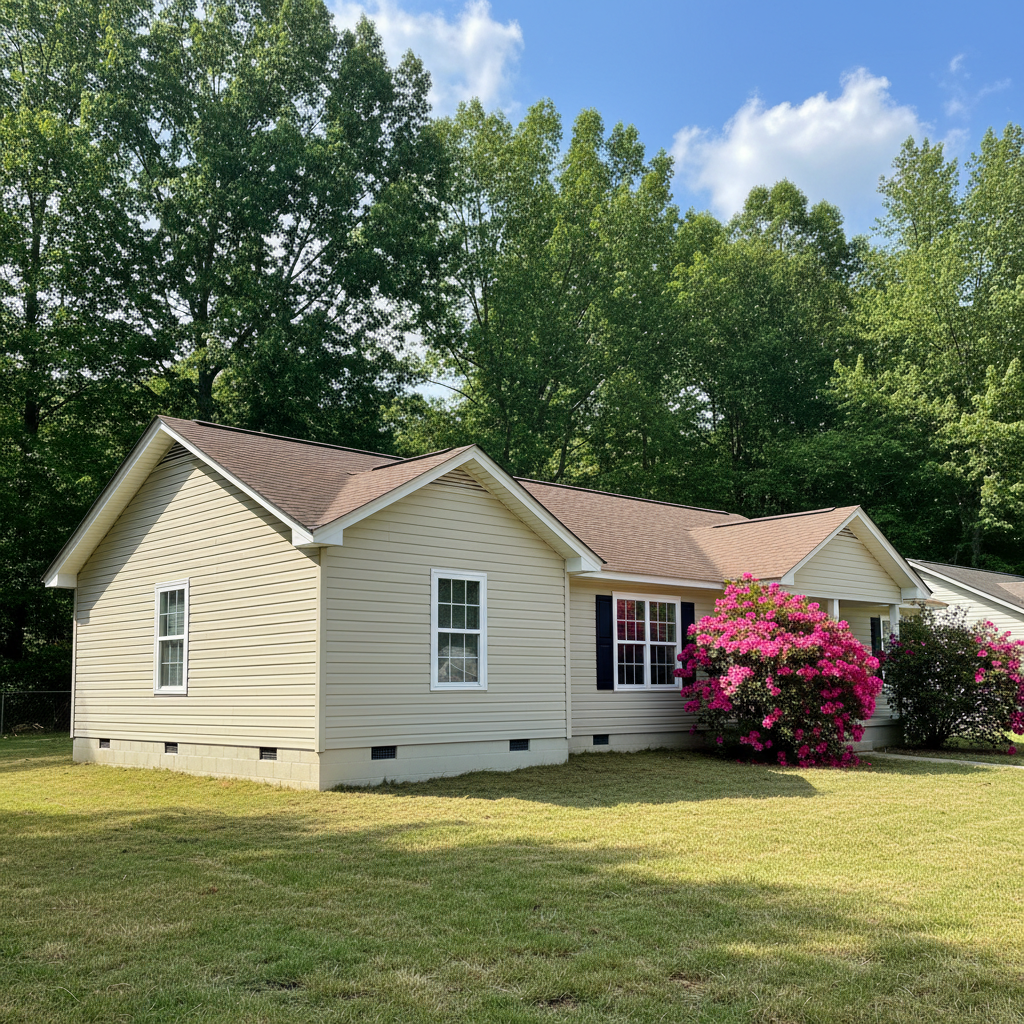
Finding a puddle in your basement or a sagging ceiling after a heavy spring downpour will instantly ruin your week. If you live around Lost Mountain or down near the historic downtown district, you already know how fast our local red clay and sudden Georgia thunderstorms can overwhelm a foundation or a roofline. You need Water Damage Restoration Service fast, but you also want to know what the bill is going to look like before you sign anything.
Most local homeowners end up spending anywhere from $1,200 to $5,000 for standard Water Damage Restoration Service and minor repairs. If you are dealing with a massive pipe burst that floods multiple rooms or ruins your hardwood floors, that total can easily climb past $7,000 or even hit $15,000 for full-scale reconstruction. Peak Restoration Inc believes in being completely upfront about these numbers so you are not left guessing while drying equipment is running.
What Drives the Price Up or Down?
Every single water loss is different, which is why contractors hate giving generic ballpark figures over the phone. A few specific factors dictate your final invoice for Water Damage Restoration Service:
- The source and cleanliness of the water, ranging from a clean supply line break to contaminated sewage backup.
- The total square footage and which materials got soaked, like dense subflooring versus standard drywall.
- How long the water sat there before extraction started, which directly determines whether mold has already begun to take root.
- The layout of your home, such as tight crawlspaces common in older Powder Springs properties that slow down the drying process.
What Should Be Included in a Professional Quote?
A legitimate Water Damage Restoration Service quote should not just be a single lump sum scrawled on a notepad. When you look over an estimate from a reliable local crew, you should see clear line items for water extraction, heavy-duty air mover and dehumidifier rentals calculated by the day, antimicrobial treatments, and moisture monitoring logs. If reconstruction is needed—like hanging new drywall or laying down fresh carpet—that should be clearly separated from the emergency dry-out phase so you can track what your insurance covers.
How to Avoid Overpaying
Time is your worst enemy when dealing with moisture, but rushing into a handshake agreement with an out-of-town storm chaser can cost you thousands. Always ask for an itemized breakdown for Water Damage Restoration Service using industry-standard estimating software like Xactimate, which insurance adjusters respect and use daily. Get a second opinion if something feels off, and make sure the company handling the dry-out is certified to handle the structural repairs on the back end so you are not paying two different crews to coordinate with each other.